Women·Water·FutureUN Conference
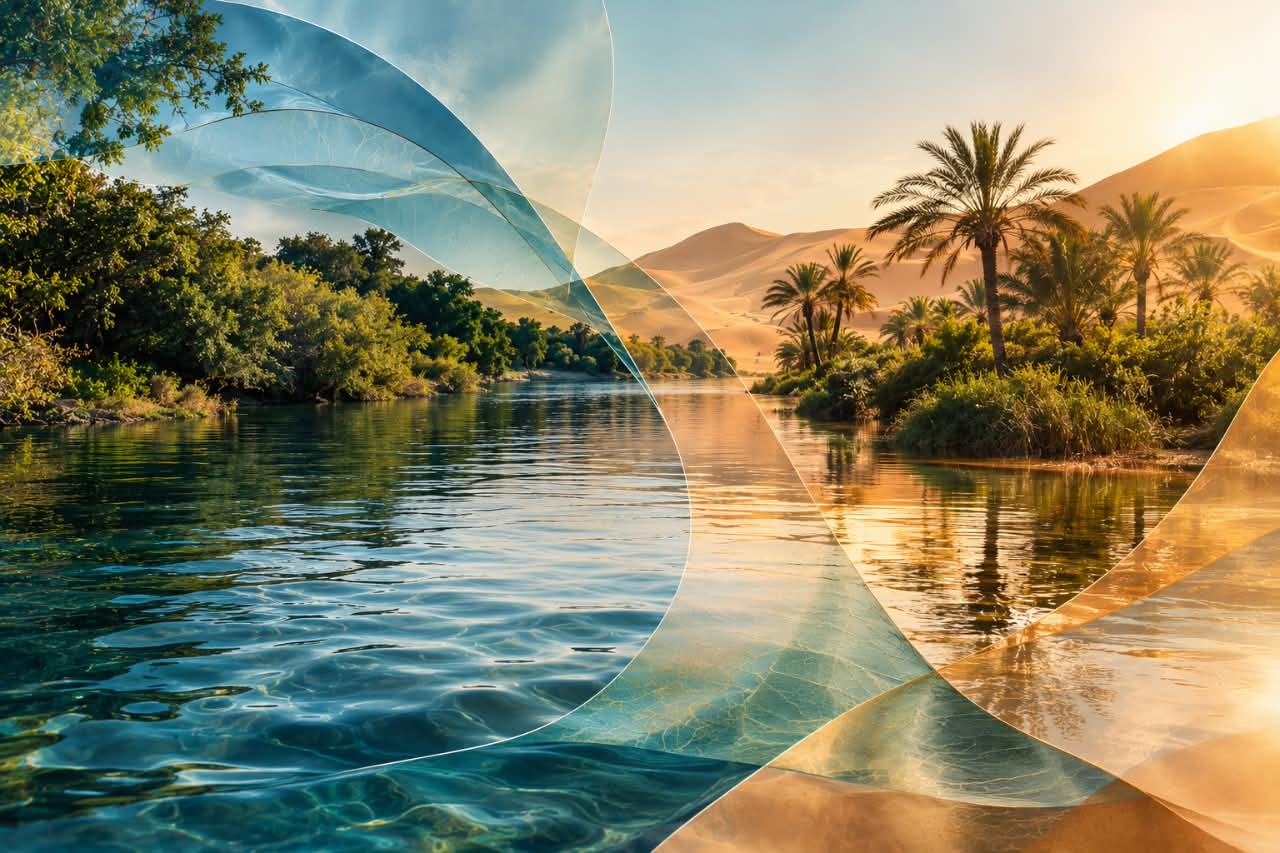
A river with lush green banks flowing into a desert oasis at sunset

2026 UN Water Conference | Official Side Event

From Rivers and Oases to the Decision Table

Women Shaping the Future of Water

Date
9 December 2026
Time
8:30–9:45 AM (GST)
Venue
Room 10, ADNEC, Abu Dhabi, United Arab Emirates
Interactive Dialogue
A — Water for People

About the event

Bringing the knowledge of territories to the decision table

Women play a vital role in protecting water, sustaining communities and safeguarding the cultural and territorial knowledge that supports life. Yet their experiences, expertise and leadership remain underrepresented in many of the spaces where decisions about water are made.

From Rivers and Oases to the Decision Table: Women Shaping the Future of Water brings together women water guardians, community knowledge holders and women leaders from water-related sectors to explore how local knowledge, water heritage and women's leadership can contribute to more inclusive, effective and resilient water governance.

Connecting perspectives from the Arab region, Latin America and other regions of the Global South, the event will bridge knowledge rooted in territories and communities with the institutions, policies and decision-making processes that shape water management and investment.

Through participatory dialogue and an interactive Water Action Lab, participants will explore the connections between water, climate, health, food security, livelihoods and culture. They will identify barriers to women's meaningful participation and develop practical proposals for strengthening women's leadership and community engagement in water governance.

The session will also advance two collaborative initiatives: the Abu Dhabi Call for Women, Water & Culture, including a proposed women's leadership roadmap, and the Women, Water & Culture Network, designed to foster collaboration beyond the Conference.

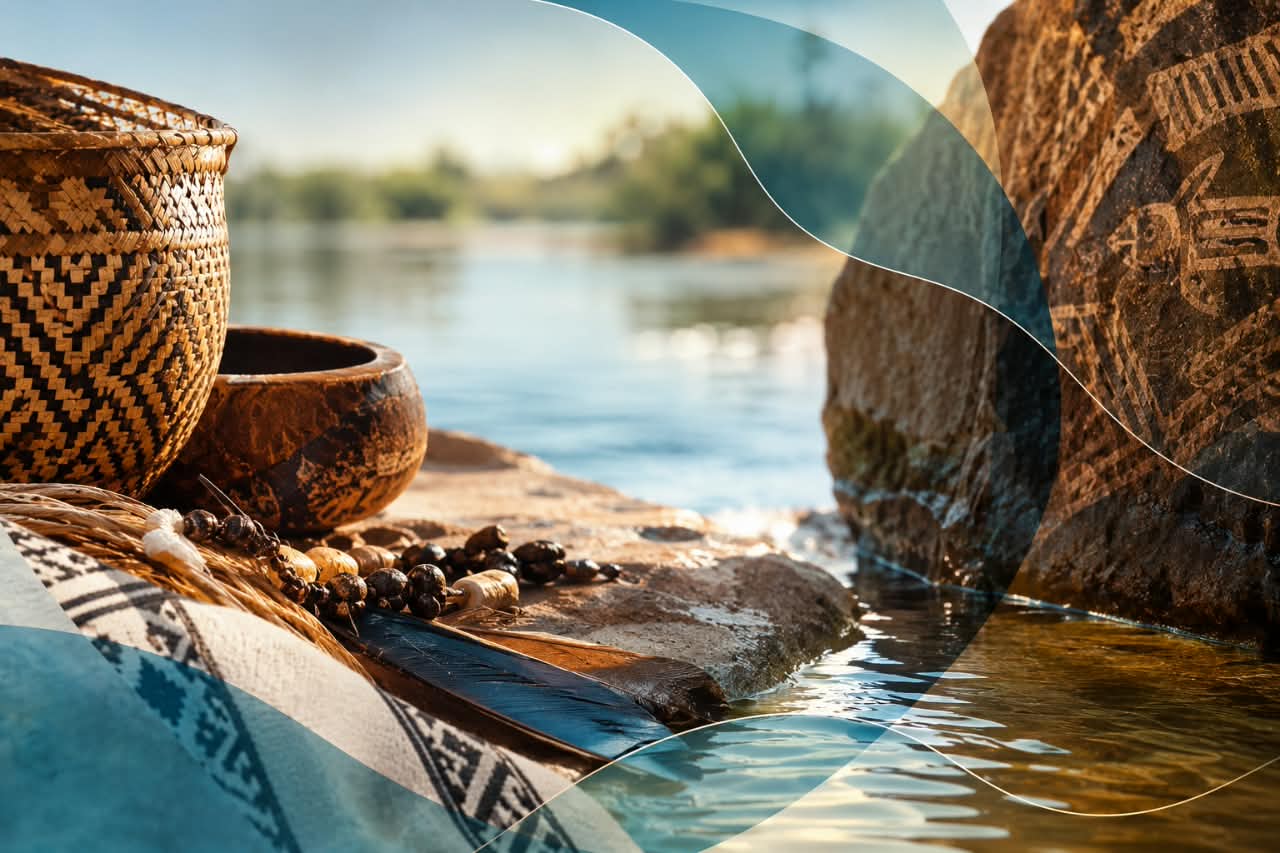
A woven basket, a gourd bowl and seed necklaces on a riverbank beside rock carvings

Why this dialogue matters

Water is more than infrastructure or an economic resource.

It sustains life, territories, cultures, livelihoods and human dignity. How water is governed affects public health, food systems, ecosystems and the well-being of present and future generations.

Across rivers, oases, watersheds and other territories, women hold essential knowledge about water sources, local ecosystems, cultural practices and community responses to environmental change. Indigenous and traditional knowledge holders, women from riverside communities, young women and other community leaders contribute to protecting water and sustaining the relationships between people and their environments.

However, those who experience water challenges directly do not always have meaningful opportunities to influence the decisions that affect their lives and territories. This gap becomes particularly significant as droughts, heatwaves, floods and other climate-related pressures intensify, placing water security, health and livelihoods at risk.

Recognizing water heritage and community knowledge, strengthening water education and literacy, and creating pathways for women to participate in decision-making are essential to more equitable and sustainable water governance.

By connecting community experience with institutional leadership, this dialogue seeks to contribute to the implementation of Sustainable Development Goal 6 (SDG 6) and to broader efforts towards gender equality, climate resilience and inclusive development.
Objectives

The session aims to

  1. 01

    Connect knowledge and decision-making

    Bring women water guardians, community knowledge holders and women in leadership positions into dialogue, recognizing the value of cultural heritage and territorial experience.

  2. 02

    Strengthen women's leadership

    Identify barriers, opportunities and practical pathways for women's meaningful participation in water governance and related sectors.

  3. 03

    Promote cross-sector solutions

    Explore how climate-related water challenges affect health, food security, livelihoods and communities, and identify responses informed by women's knowledge and leadership.

  4. 04

    Build lasting collaboration

    Develop practical proposals and advance joint initiatives that can continue beyond the Conference and contribute to SDG 6.

What to expect

A 75-minute dialogue

The session will prioritize lived experiences, exchange across regions, participatory dialogue and practical commitments rather than lengthy institutional presentations.

  1. 1

    Opening: Water for People and Culture

    An introduction to the session's vision of water governance grounded in human rights, cultural heritage, community knowledge and inclusive participation.

  2. 2

    Guardians' Voices: Knowledge Rooted in Territories

    Women water guardians, including Indigenous and traditional knowledge holders, women from riverside communities and young women leaders, will share perspectives on protecting water, culture and territory. Their contributions will highlight the value of community knowledge and the barriers that can prevent it from informing policies and decisions.

  3. 3

    Women's Leadership: From Experience to Decision-Making

    Women leaders from water-related sectors will explore pathways to decision-making roles, the importance of education and institutional change, and opportunities to connect community priorities with public policies, water governance and investment.

  4. 4

    Water Action Lab: Turning Challenges into Commitments

    An interactive exercise based on a climate-related water emergency will invite participants to consider interconnected impacts on water security, health, food systems, livelihoods and communities.

    Through facilitated dialogue and small-group co-creation, participants will identify barriers to meaningful participation and propose practical responses, collaborative actions and commitments.

  5. 5

    Launch of Joint Initiatives

    The session will present the Abu Dhabi Call for Women, Water & Culture, including its proposed women's leadership roadmap, and the Women, Water & Culture Network as platforms for continued collaboration, knowledge exchange and action beyond the Conference.

Expected outcomes

Abu Dhabi Call for Women, Water & Culture

A shared commitment to advancing women's leadership and inclusive water governance, organized around three pillars:

  1. Pillar 1

    Culture, Water Heritage and Community Knowledge

    Recognizing and safeguarding tangible and intangible water heritage, Indigenous and traditional knowledge, territorial identities, water education and water literacy.

  2. Pillar 2

    Women's Leadership and Inclusive Decision-Making

    Strengthening women's participation in water governance through a practical leadership roadmap identifying three to five priority actions, informed by the dialogue and the participating stakeholders.

  3. Pillar 3

    Water Resilience and Cross-Sector Action

    Promoting inclusive responses to climate-related water challenges and their interconnected impacts on health, food security, livelihoods and community resilience.

Women, Water & Culture Network

A collaborative initiative to connect institutions, organizations and stakeholders working at the intersection of women's leadership, water, culture, education and community knowledge. The Network will seek to encourage partnerships, exchange experiences and support continued action beyond the Conference.

A Shared Record of Practical Proposals

Ideas and proposed commitments generated through the Water Action Lab will be documented and synthesized into a short outcome note for participants and other relevant stakeholders.

Subject to the applicable Conference procedures and deadlines, the organizers intend to submit this contribution as a written input to the Conference.

Who should attend?

The session welcomes

  • Policymakers and public officials working in water, health, agriculture, environment, culture and related sectors;
  • Water utilities, basin organizations and water governance institutions;
  • Researchers, universities and educational institutions;
  • Museums and initiatives working on water heritage, education and public engagement;
  • Women-led organizations, Indigenous and traditional knowledge networks, and youth organizations;
  • Civil society organizations and community representatives;
  • International organizations, development partners and other stakeholders committed to inclusive water governance.

Participants interested in connecting community knowledge with institutional decision-making and translating dialogue into practical action are especially encouraged to attend.

Organizing partners

Who is behind the dialogue

Khalifa University

Khalifa University

United Arab Emirates

Khalifa University of Science and Technology, based in Abu Dhabi, United Arab Emirates, is a research-intensive university committed to advancing education, scientific discovery and innovation. Bringing together expertise in science, engineering and medicine, the University conducts interdisciplinary research addressing regional and global challenges, including water and environmental sustainability, energy transition and public health. Through research, education and international collaboration, Khalifa University seeks to translate scientific knowledge into practical solutions that benefit society and contribute to a sustainable, knowledge-based future.

Visit website
Museu das Águas Brasileiras

Museu das Águas Brasileiras | Universidade Federal do Tocantins (UFT)

Brazil

The Museu das Águas Brasileiras promotes water heritage, education, scientific knowledge and community engagement, connecting cultural and territorial knowledge with water sustainability and water citizenship.

Based at the Federal University of Tocantins (UFT), Brazil, the Museum works to strengthen public understanding of water and foster dialogue among science, education, culture and communities. It is part of WAMU-NET, the global network of water museums associated with UNESCO's Intergovernmental Hydrological Programme.

Visit website

Additional partners, speakers and institutional representatives will be listed as their participation is confirmed.

Continue the conversation

Whose knowledge is recognized, whose voices are heard, and who shapes the solutions?

The future of water depends not only on the decisions made in institutions, but also on whose knowledge is recognized, whose voices are heard and who participates in shaping solutions.

By connecting rivers and oases, communities and institutions, cultural knowledge and decision-making, From Rivers and Oases to the Decision Table seeks to strengthen women's leadership and advance more inclusive, resilient and people-centred water governance.

The dialogue is an opportunity to build connections across regions and sectors, transform shared knowledge into practical proposals, and support collaboration that continues beyond the 2026 UN Water Conference.